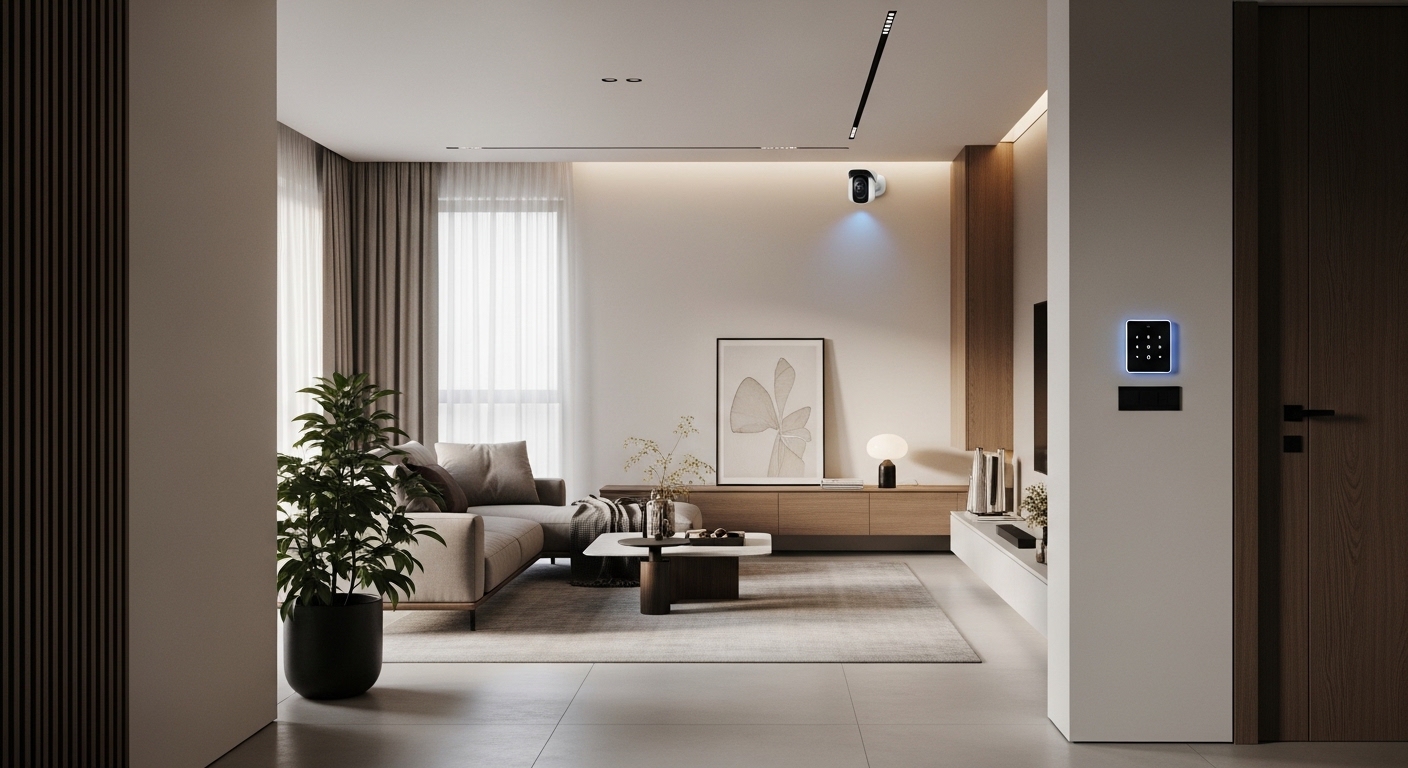
Redefining Safety in the Digital Age
Protecting your home has evolved far beyond simply locking the doors and windows. In today’s interconnected world, a home security system is no longer a luxury reserved for the elite; it is a vital component of a modern lifestyle. As technology advances, the options available to homeowners have expanded from basic burglar alarms to sophisticated ecosystems that integrate artificial intelligence, remote monitoring, and smart home automation. Choosing the right system requires a balance between technical efficacy and user-friendliness.
When we talk about security, we are really talking about peace of mind. Whether you are at work, traveling abroad, or simply sleeping in the room next door, knowing that your sanctuary is being watched over provides an invaluable sense of relief. However, the sheer volume of choices—ranging from DIY kits to professionally installed networks—can be overwhelming. This guide is designed to cut through the noise and help you identify the specific features that will truly protect what matters most to you.
Assessing Your Unique Security Requirements
Before you dive into product specifications, you must first evaluate the physical and digital landscape of your property. Every home is unique, and a one-size-fits-all approach rarely provides optimal protection. Start by walking around your property during both day and night to identify blind spots and potential entry points that might be attractive to intruders.
Identifying Vulnerability Points
Consider the layout of your home. Do you have a large backyard with multiple access points? Are there basement windows that are hidden from street view? A comprehensive assessment should include:
- Entry Points: Evaluate all doors and ground-floor windows, including the garage and side entrances.
- Visibility: Check if your exterior lighting is sufficient to deter unwanted visitors.
- Connectivity: Ensure your home Wi-Fi reaches the exterior areas where you might want to install cameras or sensors.
Understanding these vulnerabilities allows you to prioritize which components of a security system are essential and which are merely optional extras. For instance, a high-rise apartment may prioritize smart locks and indoor cameras, while a suburban estate might require extensive perimeter sensors and floodlight cameras.
Professional Monitoring vs. DIY Solutions
The most significant decision you will face is whether to opt for a professionally monitored service or a self-monitored DIY system. This choice impacts both your monthly budget and the level of responsiveness you can expect during an emergency.
The Power of Professional Oversight
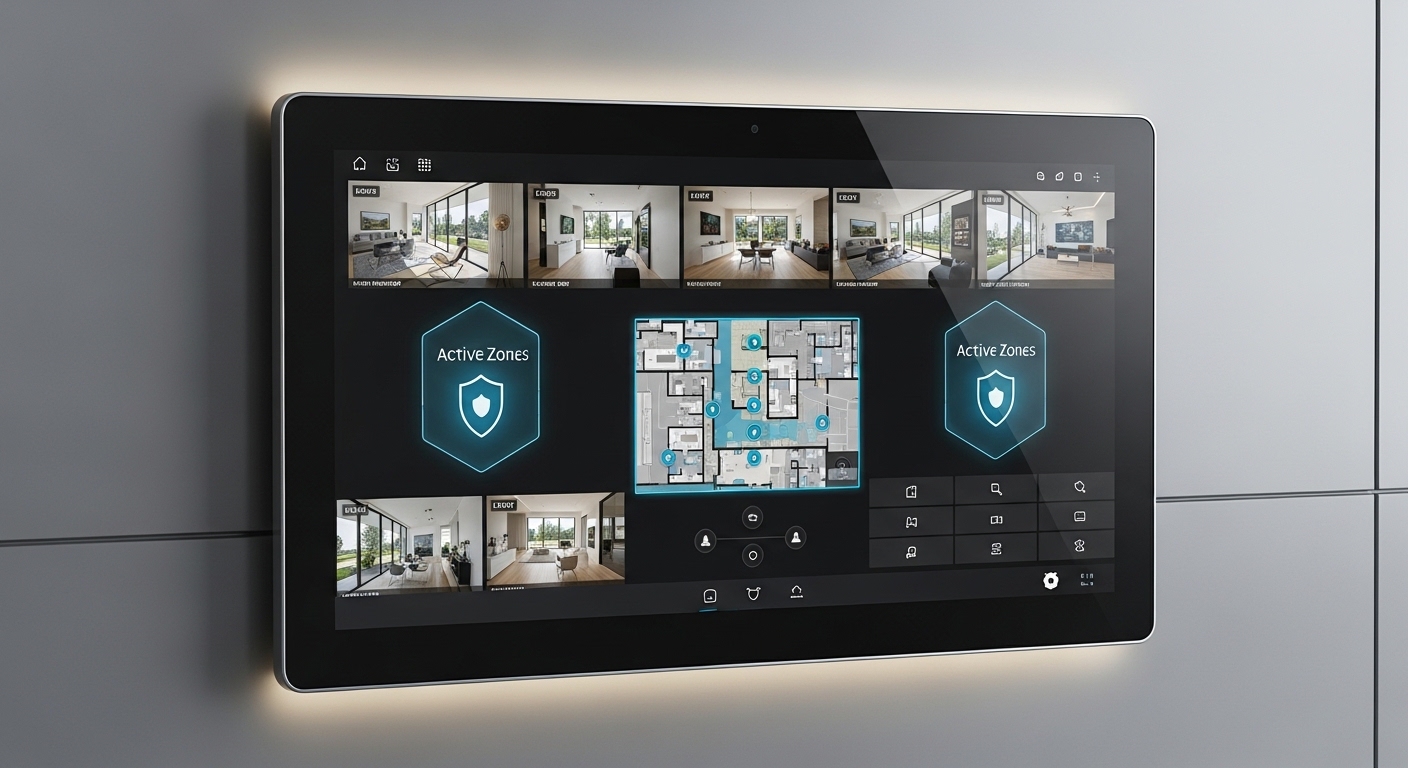
Professionally monitored systems, offered by companies like ADT or Vivint, provide a dedicated team that watches over your home 24/7. When a sensor is triggered, the monitoring center is alerted immediately. If they cannot reach you, they will contact emergency services on your behalf. This is particularly beneficial if you are often in areas with poor cell service or if you want the assurance that help is coming even if you are incapacitated.
The Flexibility of DIY Systems
On the other hand, DIY systems like Ring, SimpliSafe, or Arlo have disrupted the market by offering high-quality hardware without the burden of long-term contracts. These systems are typically easier to install and can be managed entirely through a smartphone app. While you are responsible for calling the police yourself, many of these brands now offer optional, low-cost month-to-month monitoring plans that give you the best of both worlds.
Core Components of a High-Tech Security Ecosystem
A truly modern security system is composed of several layers of defense. It is not just about the cameras; it is about how the different pieces of hardware communicate with each other to create a seamless shield around your home.
Smart Cameras and Doorbell Video
Video surveillance is the cornerstone of modern security. High-definition cameras with night vision and two-way audio allow you to interact with visitors or warn off intruders. Look for cameras that offer AI-driven person detection to minimize false alerts caused by swaying trees or passing cars. Video doorbells have become particularly popular as they act as a digital concierge, allowing you to manage package deliveries and screen visitors from anywhere in the world.
Comprehensive Sensor Networks
Sensors are the unsung heroes of home security. Contact sensors on doors and windows alert you the moment a seal is broken, while motion sensors cover interior spaces. For advanced protection, consider glass break sensors that use acoustic technology to detect the specific frequency of shattering glass. Additionally, environmental sensors for smoke, carbon monoxide, and water leaks can protect your home from disasters that have nothing to do with crime but can be just as devastating.
The Importance of Smart Home Integration
In a modern home, your security system should not exist in a vacuum. The most effective systems are those that integrate with your existing smart home hub, such as Amazon Alexa, Google Home, or Apple HomeKit. This integration allows for sophisticated automation routines. For example, you can program your system so that when the security alarm is armed, the smart locks engage, the thermostat adjusts to save energy, and all interior lights turn off.
Furthermore, voice control adds a layer of convenience. Being able to say, \”Show me the backyard camera,\” and having the live feed appear on your kitchen display is more than just a cool trick; it is a functional tool for maintaining situational awareness without needing to fumble for your phone. Always ensure that the security brand you choose is compatible with the ecosystem you already use to avoid technical friction.
Making the Final Decision: What to Look For
As you finalize your choice, pay close attention to the fine print regarding data privacy and storage. Many modern systems store video footage in the cloud, which often requires a subscription fee. Check if the company uses end-to-end encryption to ensure that your private feeds remain private.
Ultimately, the best home security system is the one that you will actually use. If a system is too complex or prone to false alarms, you may find yourself leaving it disarmed. Look for intuitive interfaces, reliable hardware, and a brand reputation for excellent customer support. By investing time in research now, you are ensuring a safer, smarter, and more secure future for your home and your family.