The Evolution of Domestic Safety
Securing a home used to mean double-checking the deadbolt and hoping for the best. For decades, home security was a passive endeavor, relying on heavy doors and perhaps a loud dog. However, the landscape has changed dramatically with the advent of the Internet of Things (IoT). Today, technology has bridged the gap between physical barriers and digital surveillance, offering homeowners a level of control that was once reserved for high-security facilities. Choosing the right equipment isn’t just about buying the most expensive gadget; it’s about understanding how different components work together to form a cohesive, defensive perimeter that adapts to your lifestyle.
A modern security setup is less about reacting to a break-in and more about preventing one through deterrence and early detection. Whether you are living in a compact urban apartment or a sprawling suburban estate, the right combination of alarms, sensors, and smart locks acts as a silent sentry. This guide explores the essential components of a robust home security system, detailing why each piece is vital for your peace of mind and how they integrate into a smarter, safer living environment.
Smart Alarm Systems: The Central Hub of Defense
A smart alarm system serves as the brain of your home’s security infrastructure. Unlike traditional sirens that simply make noise, modern alarms are integrated into your home network, allowing for real-time notifications sent directly to your smartphone. When an event is triggered, you aren’t just alerted by a sound; you receive a detailed notification specifying exactly which door was opened or which sensor was tripped, regardless of where you are in the world.
These systems often come with multi-layered connectivity, including cellular backup and battery reserves. This ensures that even if an intruder cuts your internet line or the local power grid fails, the system remains operational and can still reach the monitoring station or your personal device. The modularity of these systems means you can start with a basic hub and expand your protection over time as your needs or budget grow.
Key Features to Look For in Alarms
When selecting a system, prioritize ease of installation and encryption protocols. Many of the top-rated brands now offer DIY kits that provide professional-grade protection without the need for complex wiring. Here are the essential elements your hub should support:
- 24/7 Professional Monitoring options for an extra layer of expert oversight.
- AES-128 or higher encryption to prevent hackers from hijacking your security signals.
- Compatibility with voice assistants like Alexa, Google Home, or HomeKit for seamless automation.
- Panic Buttons that can be placed in strategic locations for instant emergency triggering.
The Invisible Net: Sensors and Detectors
While the alarm is the brain, sensors are the nervous system of your home. Entry sensors, specifically door and window contacts, are the most fundamental part of any setup. They consist of a sensor and a magnet that form a closed circuit; when the contact is broken, the alarm is triggered. These are essential for ground-floor access points and any reachable windows, providing an immediate response to unauthorized entry.
Motion sensors have also evolved significantly to become much more reliable. Modern Passive Infrared (PIR) sensors are designed to detect heat signatures and movement, yet they are sophisticated enough to distinguish between a human intruder and a small pet. This Pet Immunity feature is vital for homeowners who want to keep their security active without worrying that a cat or dog will trigger a false alarm in the middle of the night.
Beyond Intrusion: Environmental Monitoring
Comprehensive security also means protecting the home from internal threats that can be just as devastating as a burglary. Environmental sensors are often overlooked but are equally important for a complete safety net. Water leak detectors can save thousands in repair costs by spotting a burst pipe early, while smart smoke and carbon monoxide detectors provide specific voice alerts regarding which room is in danger, allowing for a faster and safer evacuation.
Glass break sensors are another excellent addition, especially for homes with large sliding doors or many windows. Instead of waiting for a contact to be broken, these sensors listen for the specific frequency of shattering glass. This allows the alarm to trigger the moment an intruder attempts to bypass a window without opening it, giving you a head start in an emergency situation.
Smart Locks: Reimagining the Front Door
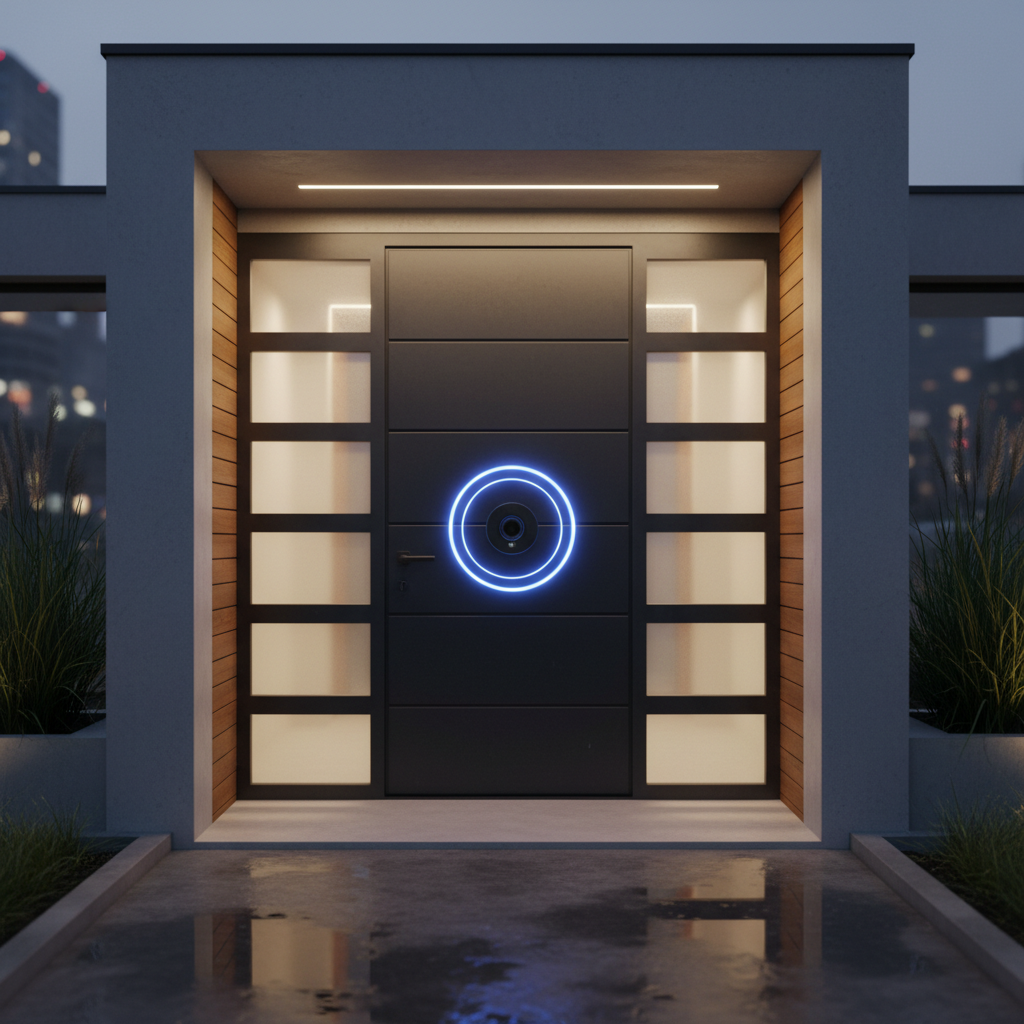
The humble deadbolt has received a digital makeover that combines high-strength hardware with advanced software. Smart locks represent the first line of defense and are perhaps the most convenient upgrade for any modern home. They eliminate the need for physical keys, which can be lost, stolen, or copied. Instead, they utilize biometrics, encrypted PIN codes, or secure Bluetooth signals from your smartphone to grant access.
One of the most significant advantages of a smart lock is the ability to manage access remotely. If you have a delivery person, a contractor, or a guest arriving while you are away, you can generate a one-time code or unlock the door via your mobile app. You no longer have to hide a physical key under a doormat or a decorative rock, which are the first places a sophisticated intruder would look.
Reliability and Integration
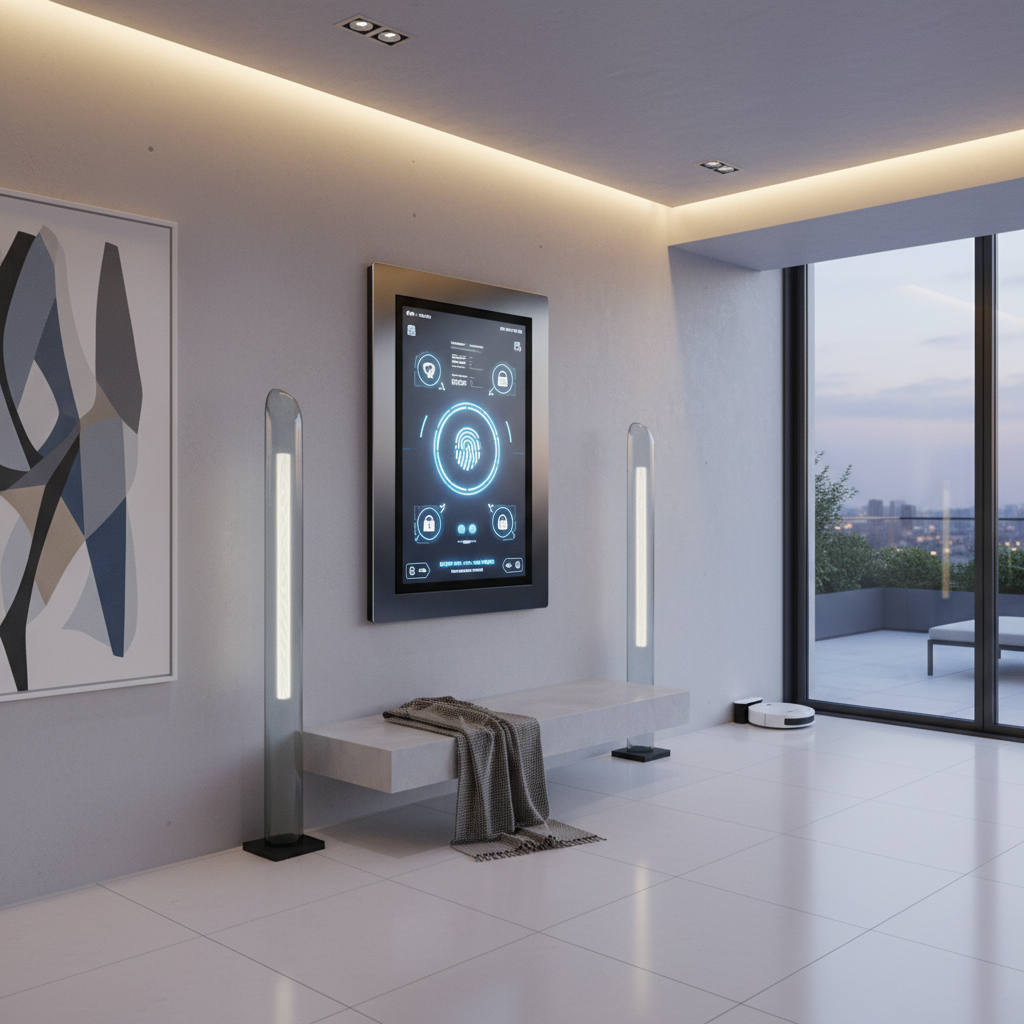
When choosing a smart lock, physical durability is just as important as the software features. Ensure the lock has a high ANSI Grade rating (Grade 1 being the strongest) to withstand physical tampering or brute force. Furthermore, look for locks that integrate directly with your alarm system. A well-integrated lock can automatically disarm your security system the moment you scan your fingerprint, creating a fluid and user-friendly experience that removes the stress of rushing to a keypad.
In conclusion, building a secure home in the modern era is about creating a layered defense. By combining a robust alarm hub with strategic sensors and a high-quality smart lock, you create an environment that is not only difficult to breach but also incredibly easy to monitor. Technology should serve to make your life simpler, and a well-planned security ecosystem does exactly that by providing the most valuable asset of all: a true sense of safety.