The Evolution of Modern Home Security
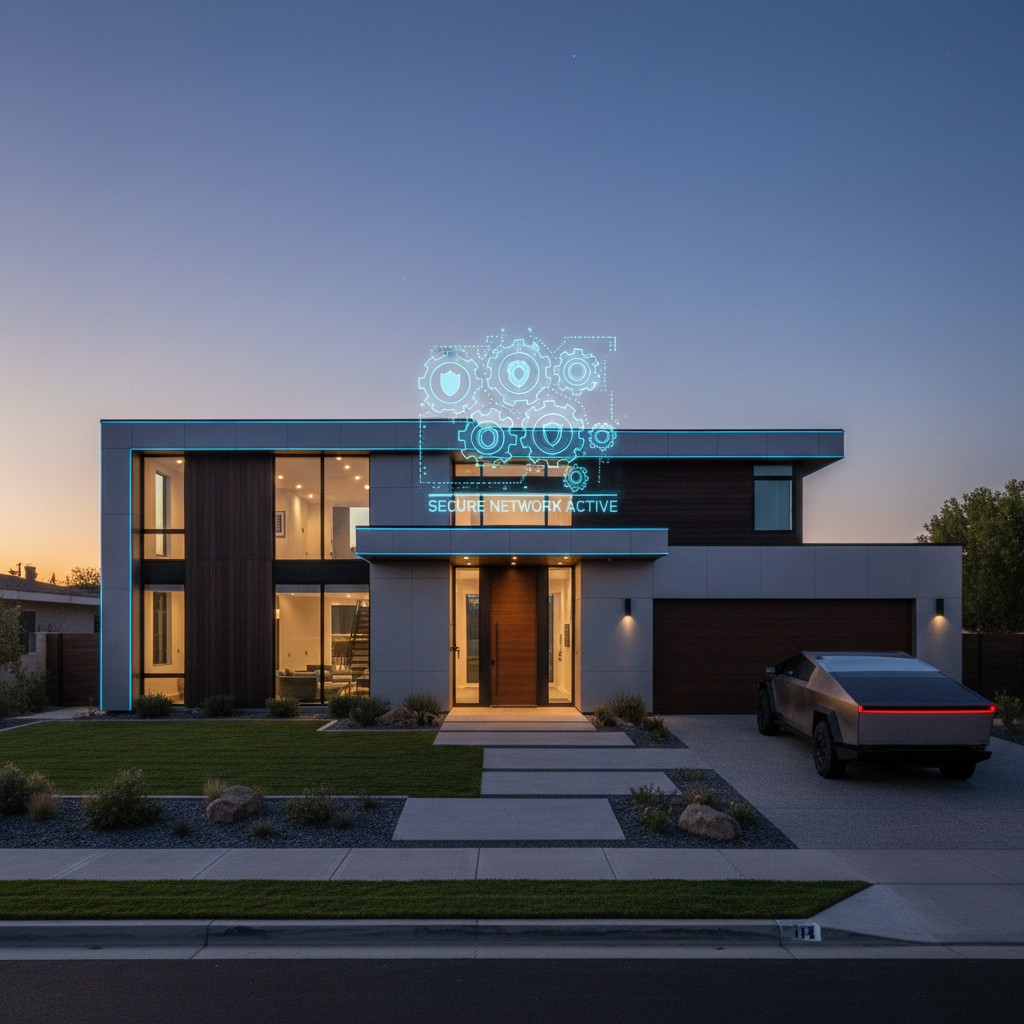
The landscape of residential safety has shifted dramatically over the last decade. Gone are the days when a home security system was merely a loud siren and a keypad by the front door. Today, we are witnessing the rise of the unified ecosystem, where every device from your thermostat to your doorbell works in harmony to protect your sanctuary. This integration isn’t just about convenience; it’s about creating a proactive layer of defense that responds to threats in real-time.
When we talk about integration, we are referring to the seamless communication between independent devices. Imagine your smoke detector sensing a fire and immediately telling your smart locks to unlock for an easy exit, while simultaneously flashing your outdoor lights to alert neighbors and emergency services. This level of synergy is what separates a smart home from a house full of gadgets. It requires a strategic approach to hardware selection and a deep understanding of how these systems interact under one digital roof.
Choosing Your Command Center: The Hub of Operations
At the heart of every robust security integration lies the central hub or controller. This ‘brain’ is responsible for translating signals between different brands and technologies. Whether you opt for a hardware-based hub like Aeotec or a software-centric platform like Home Assistant or Apple HomeKit, your choice will dictate the flexibility of your entire system. A well-chosen hub ensures that your sensors can trigger complex automation routines without significant latency.
Choosing a hub requires looking beyond the shiny interface. You must consider local processing versus cloud-based processing. Local processing is often faster and more secure because your data doesn’t have to travel to a remote server and back just to turn on a light when movement is detected. For those prioritizing privacy, a system that functions entirely within the local network is the gold standard for integrated security.
The Battle of Protocols: Zigbee, Z-Wave, or Thread?
To ensure your security devices talk to each other reliably, you need to understand communication protocols. Wi-Fi is ubiquitous, but it can be power-hungry and prone to interference. This is where specialized protocols like Zigbee and Z-Wave come into play. They create a ‘mesh network’ where each powered device acts as a repeater, strengthening the signal the more devices you add to your home.
Thread is the newest player on the field, often associated with the Matter standard. It combines the low power consumption of Zigbee with the reliability of a self-healing network. When selecting new security components—such as window sensors or motion detectors—ensuring they support a common, reliable protocol is crucial. A fragmented system where half the devices use one language and the rest use another often leads to ‘smart home fatigue’ due to constant connectivity issues.
Synergizing Sensors and Automation
A truly integrated security system moves beyond simple notifications. It uses automation to deter intruders before they even attempt a break-in. By leveraging ‘If-This-Then-That’ (IFTTT) logic, you can create scenarios that simulate presence. For instance, if an outdoor motion sensor detects movement after midnight, the system can trigger the indoor lamps to turn on in a specific sequence, making it look as though someone has woken up and is moving through the house.
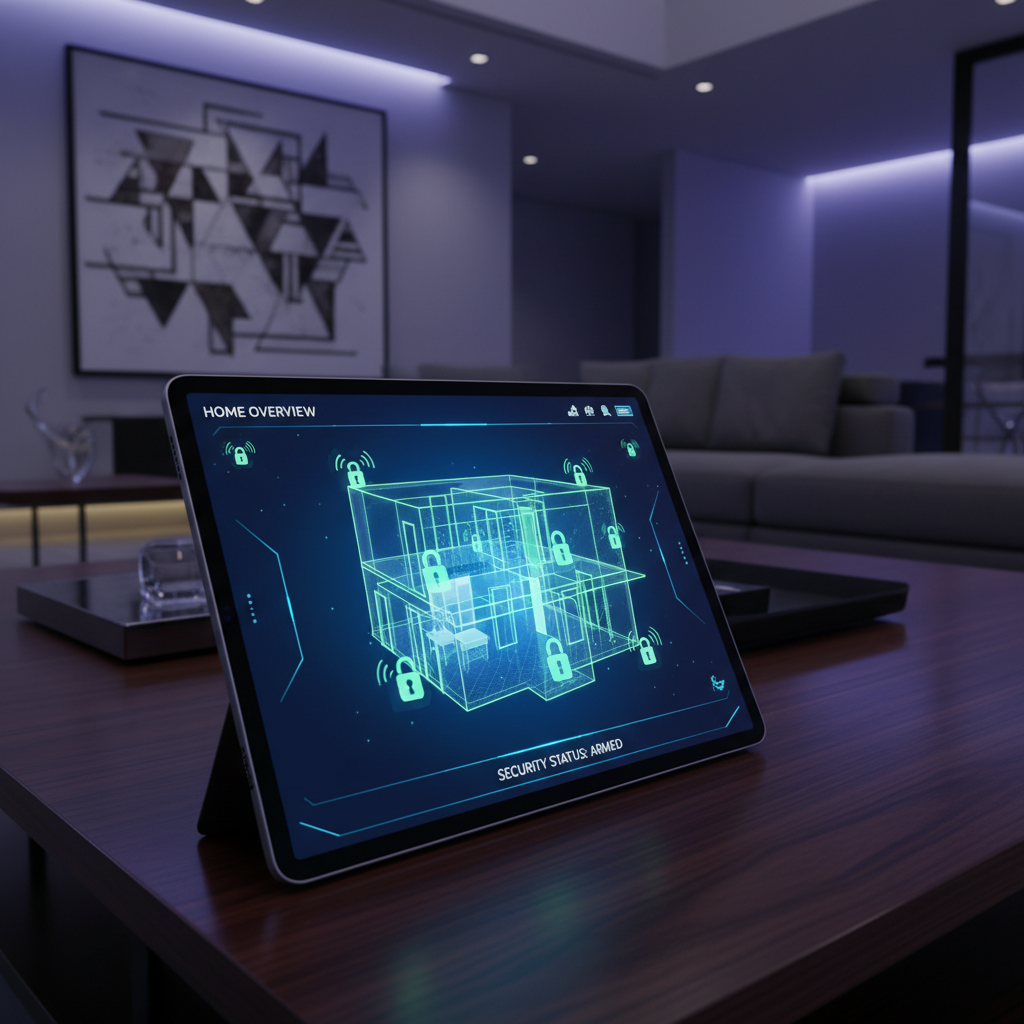
Furthermore, integrating your smart cameras with your lighting system provides a massive tactical advantage. Traditional floodlights are static, but an integrated system can track an individual across your property, activating different light zones as they move. This not only provides better footage for your cameras by ensuring the subject is always illuminated but also serves as a psychological deterrent by showing the intruder that they are being monitored actively.
Enhancing Privacy in a Connected World
With great connectivity comes the responsibility of securing the network itself. An integrated home security system is only as strong as its weakest link, which is often the user’s password or an unpatched router. To keep your security system safe from digital intruders, it is vital to implement a multi-layered cybersecurity strategy. This includes using a dedicated VLAN for your IoT devices to keep them isolated from your primary computers and smartphones.
- Enable Two-Factor Authentication (2FA): Always use hardware keys or app-based authenticators rather than SMS codes.
- Regular Firmware Updates: Set a monthly schedule to check for updates on your hub and cameras to patch known vulnerabilities.
- End-to-End Encryption: Ensure that your camera feeds use high-level encryption so that even if the data is intercepted, it cannot be viewed by unauthorized parties.
- Local Storage: Whenever possible, opt for cameras that store footage on a local NVR (Network Video Recorder) rather than the cloud to maintain ownership of your data.
Practical Automation Recipes for Daily Safety
To get the most out of your integration, you should implement daily routines that remove the ‘human error’ factor from security. We often forget to lock the back door or arm the alarm when we are in a rush. An integrated system can handle this for you through geofencing. When your smartphone leaves a specific radius around your home, the system can automatically lock all doors, close the garage, and arm the perimeter sensors.
Another powerful recipe is the ‘Goodnight’ scene. With a single voice command or a tap on a bedside button, you can ensure the entire house is buttoned up. This could include dimming the lights, ensuring the thermostat is set to a comfortable sleeping temperature, and verifying that every entry point is secure. By making security a seamless part of your lifestyle, you ensure that it is always active when you need it most, providing a level of safety that manual systems simply cannot match.